No professional Nigerian league games. Straight to the Premier League.
And somehow, no African brand has moved.
I’ve been thinking about this a lot lately.
We have a pattern in African brand marketing: we wait until athletes are household names before we back them. We chase faces everyone already recognises instead of building relationships with the ones still on their way up. We react to the market instead of leading it. By the time a brand finally signs the athlete, the deal isn’t a discovery anymore — it’s a queue. Everyone’s chasing the same three or four names, paying premium rates for association with someone the market already owns.
That’s not a strategy. That’s just being last to a party everyone already knows about.
The story that should have every fintech CMO paying attention
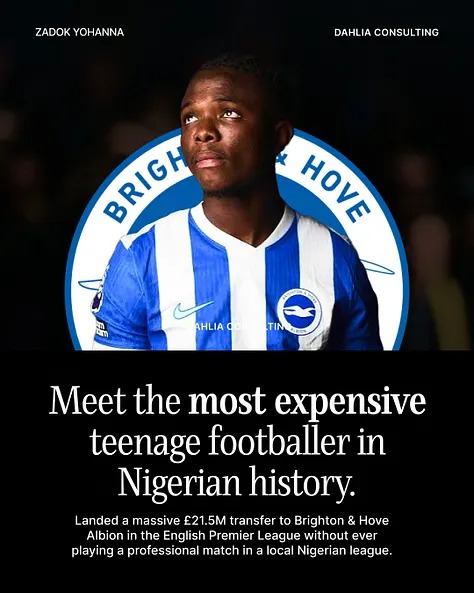
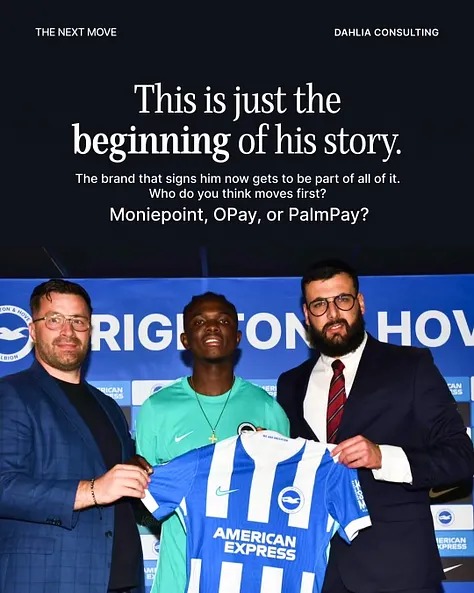
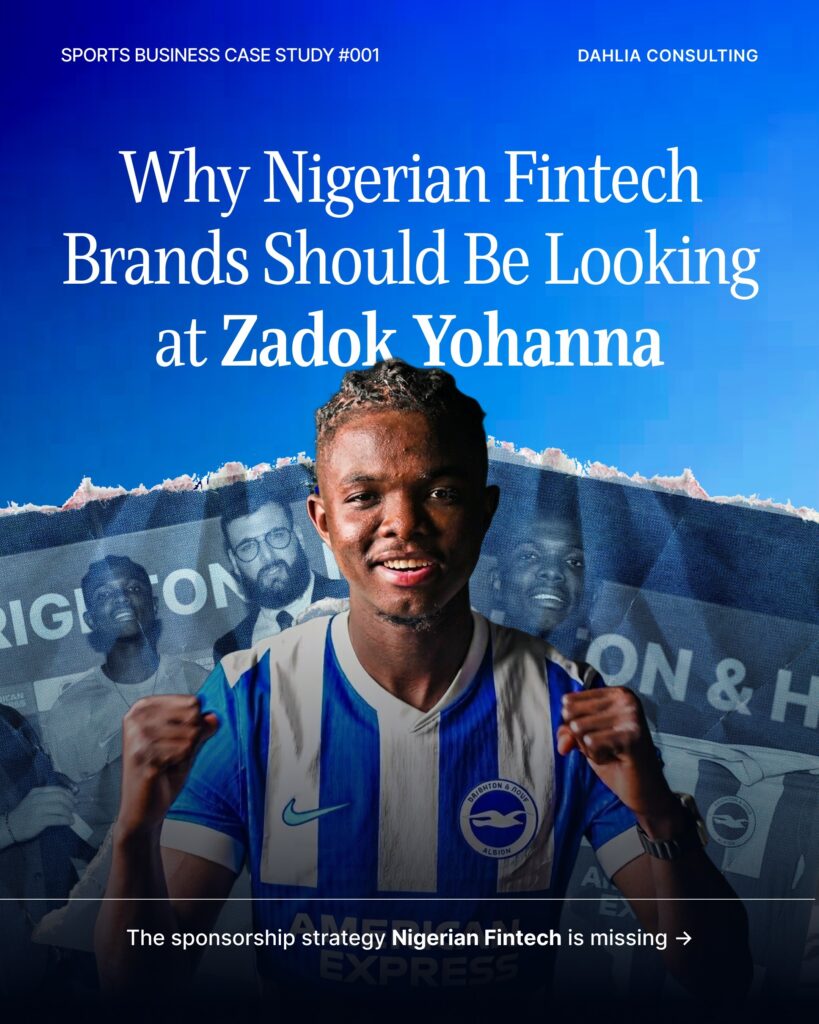
Zadok Yohanna just became the most expensive teenage footballer in Nigerian history. He was signed to Brighton & Hove Albion for £21.5m without ever playing a professional match in a local Nigerian league.
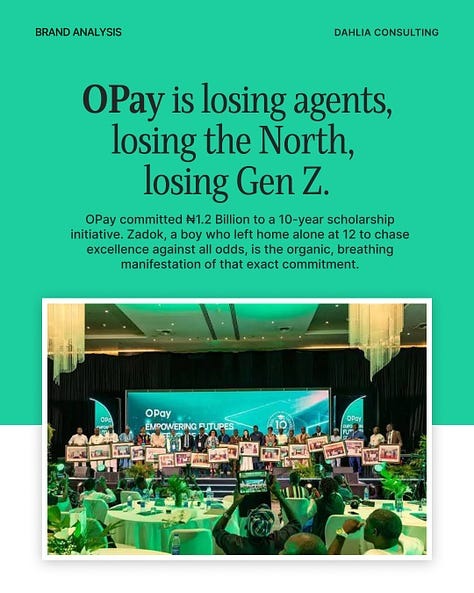
He left home at 12 to chase excellence, born in Bauchi, trained in Kaduna at the Ikon Allah Football Academy. Two regions where brands like Moniepoint MFB, OPay, and PalmPay are actively fighting for market share.
Think about the path for a second. Spotted in Bauchi. Developed in Kaduna. Sent to Sweden’s AIK Stockholm in 2025, where four goals in his first three appearances got him pulled into the first team within months. Every matchday after that, scouts from three to five major European clubs were reportedly in the stands. Chelsea wanted him. Newcastle wanted him. RB Leipzig, Borussia Dortmund, and Bayer Leverkusen are all in the race. He turned them down for Brighton’s development pathway. He’s eighteen years old.
That’s not a lucky break. That’s a young man who understood the value of the right platform before most adults would. That instinct is exactly what a brand should want attached to their name
Why this is the opportunity, not the noise
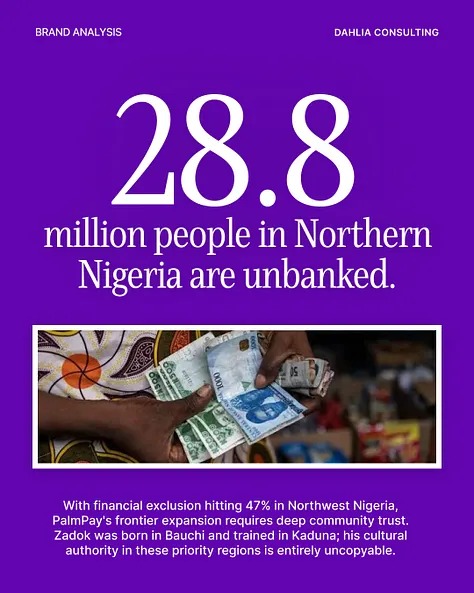
His story is authentic. His reach is cultural. His demographic is exactly who Nigeria’s fintech brands need to convert next: young, mobile-first, aspirational, and proud of a Nigerian story that didn’t need Lagos or Abuja to happen. It happened in Bauchi and Kaduna, places brand budgets rarely acknowledge as anything other than “the north.”
And his story is still unsigned.
No boot deal. No fintech ambassador role. No local brand is attached to the biggest Nigerian football story of the year. Compare that to how fast international attention moved a transfer record, a five-year contract to 2031, blanket coverage across Nigerian and European press within days of the announcement. The market has already spoken. African brands just haven’t answered.
What moving early actually looks like
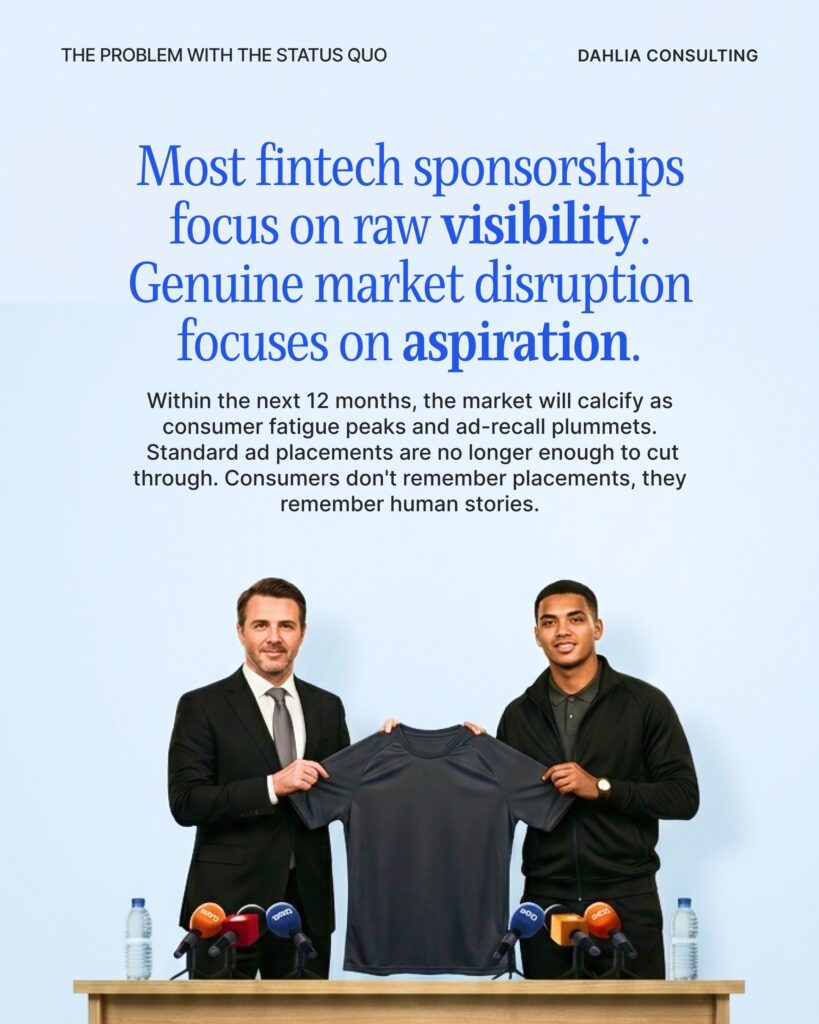
This isn’t about outbidding Brighton or European sponsors chasing global reach. It’s about being the Nigerian brand that shows up first, before the moment turns into a memory. A fintech brand attaching itself to Yohanna now isn’t paying for visibility he’s already generated, they’re investing in the story before it fully compounds. That’s the entire difference between marketing and legacy-building.
The brands that move now don’t just get visibility, they get legacy. They get to say they saw it before everyone else did. They get to be in the documentary, the retrospective, the “who backed him when” conversation five years from now, instead of the brand that showed up once he was already a Super Eagles starter and the price of entry had tripled.
The window is open. But it won’t be for long.