
Nigeria didn’t just have a good Commonwealth Games. It finished as the highest-ranked African nation at the entire event, ahead of South Africa and Kenya.
But zoom out, and the real story isn’t just Nigeria. It’s the continent.
Africa showed up
Nigeria led the table, but it wasn’t alone.
South Africa finished 11th. Kenya finished 13th. Mauritius and Cameroon both cracked the medal standings. Four African nations, four different regions, four different sporting identities, all landing inside the top 20 of a Games featuring 74 nations and territories.
That’s not one country having a moment. That’s a continent building depth.
The generation behind it
Nigeria’s haul wasn’t inherited. It was built by athletes still writing their first chapters.
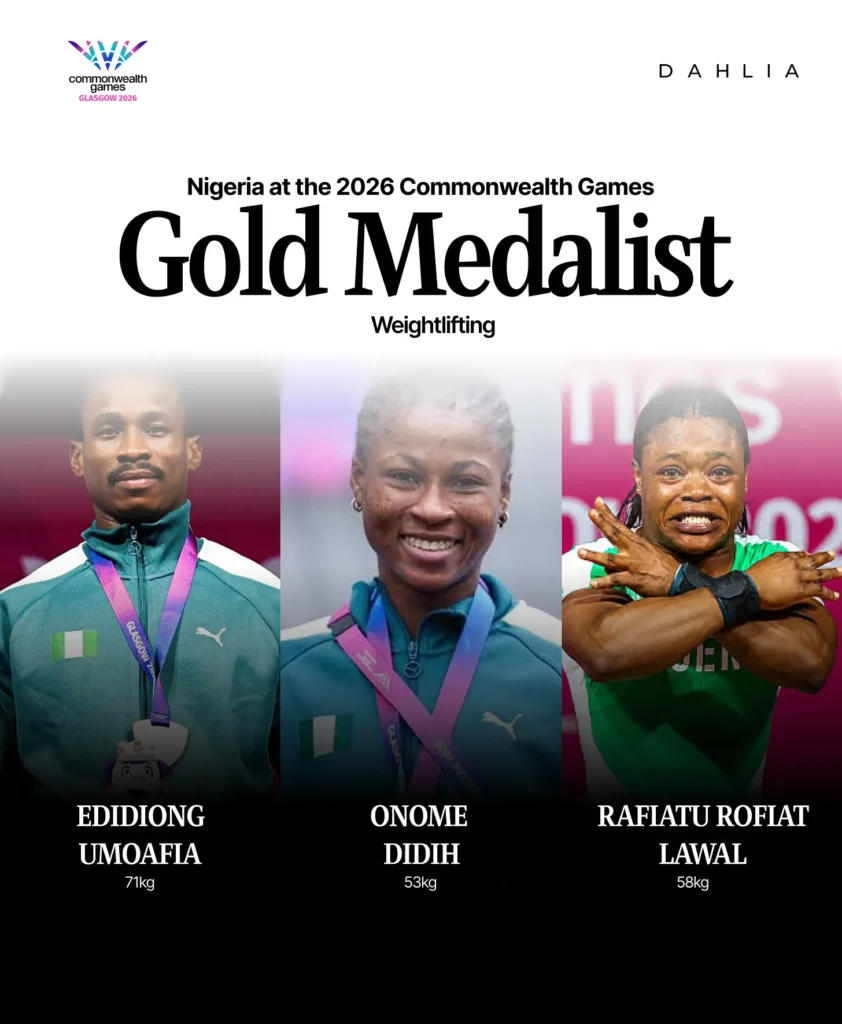
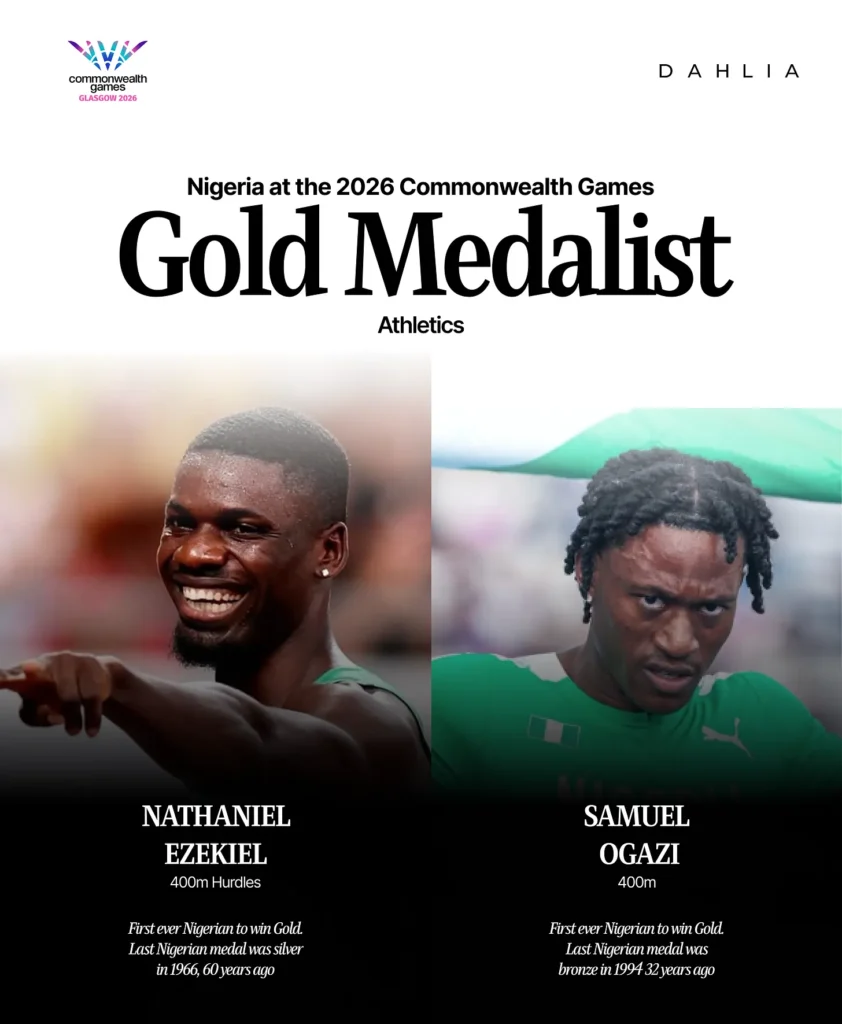
Samuel Ogazi. First Nigerian ever to win the men’s 400m. Ezekiel Nathaniel. First Nigerian gold in the 400m hurdles since 1966. Udodi Onwuzurike, 23, fighting back from injury to take his first individual Commonwealth medal. Ella Onojuvwevwo, 21, ending a 32-year wait in the women’s 400m.
None of these are veterans cashing in on reputation. These are athletes in their early twenties, some competing at their first major Games, setting national and personal records under pressure.
This is what a growth curve looks like. Not a peak. A beginning.
Why this matters beyond the medal table
African athletics has spent decades being defined from the outside — scouted, signed, and celebrated once the market elsewhere had already decided someone was worth attention.
Glasgow told a different story. Nigeria’s medals came from Lagos, Kaduna, and towns brand budgets rarely reach. South Africa and Kenya’s medals came from programs built at home, not imported. This generation isn’t waiting for validation from outside the continent to prove it belongs. It’s already there.
That shift is bigger than any single Games. It’s a signal that African sport is professionalizing from within, and that the infrastructure, coaching, and depth are catching up to the talent that was always there.
The opportunity still sitting on the table
Here’s the part that should matter to every brand watching this from the sidelines: none of this depth has been matched by investment.
A continent producing this many athletes across this many sports, from countries at very different stages of sporting infrastructure, is not a coincidence brands should watch happen. It’s a pipeline they should be building with.
→ The next major continental sporting moment won’t be a surprise. The signs are already here.
→ The brands paying attention now get to be part of the story before it’s obvious to everyone else.
→ The ones waiting for the next Games to prove it again will be paying premium prices for something they could have built early, and cheaply, this year.
Nigeria led Africa at Glasgow 2026. But the continent is the real headline. This is a growth story that’s still in its early chapters, and the smartest brands are the ones writing themselves into it now.